
 Apr-17-2026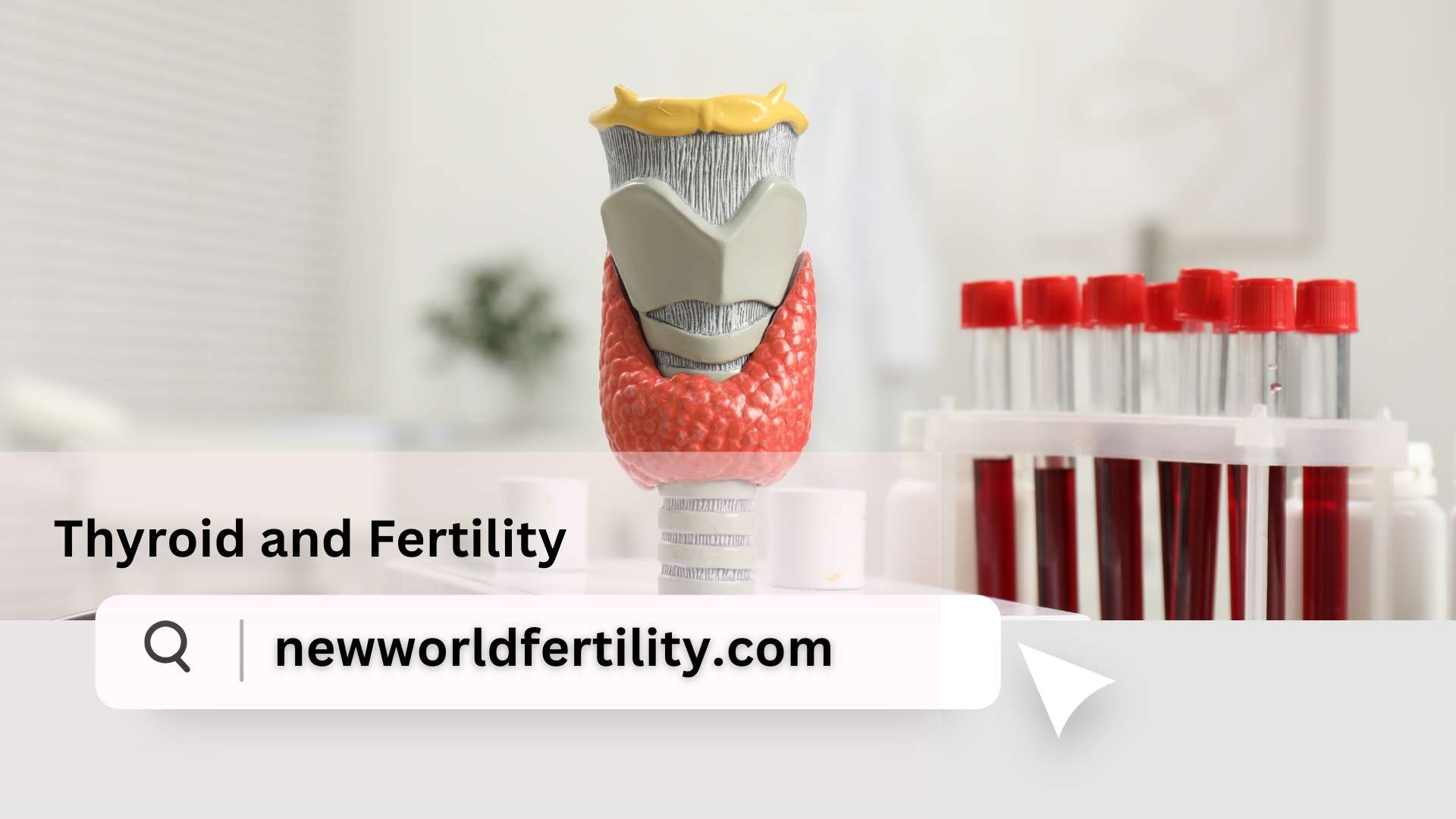
If you are trying to conceive but not getting results, your thyroid could be the missing piece. The connection between thyroid and fertility is often overlooked, yet it plays a major role in reproductive health.
The thyroid is a small gland in your neck, but it controls important hormones that regulate metabolism, energy, and even your menstrual cycle. When thyroid levels are not balanced, it can directly impact ovulation, sperm quality, and pregnancy outcomes.
The good news is that thyroid-related fertility issues are manageable with the right knowledge and timely action.
What is the Thyroid and Why It Matters?
The thyroid gland produces two key hormones:
- T3 (Triiodothyronine)
- T4 (Thyroxine)
These hormones control how your body uses energy. They also influence reproductive hormones like estrogen and progesterone.
Even a small imbalance in thyroid levels can disturb your fertility cycle.
How Thyroid Affects Fertility
The link between thyroid and fertility is strong and scientifically proven.
In Women
- Disrupts ovulation
- Causes irregular periods
- Increases risk of miscarriage
- Affects egg quality
In Men
- Reduces sperm count
- Lowers testosterone levels
- Impacts sperm motility
Ideal Thyroid Levels for Fertility
- TSH: 1.0 – 2.5 mIU/L (ideal for conception)
- High TSH = Hypothyroidism
- Low TSH = Hyperthyroidism
Common Thyroid Disorders That Affect Fertility
1. Hypothyroidism (Underactive Thyroid)
This is the most common issue.
Symptoms:
- Weight gain
- Fatigue
- Irregular periods
- Depression
It slows down ovulation and reduces chances of pregnancy.
2. Hyperthyroidism (Overactive Thyroid)
Symptoms:
- Weight loss
- Anxiety
- Fast heartbeat
- Light or missed periods
It can make it difficult for a fertilized egg to implant.
3. Autoimmune Thyroid Disorders
Conditions like Hashimoto’s thyroiditis can silently affect fertility without obvious symptoms.
What Causes Thyroid Imbalance?
- Stress and poor lifestyle
- Iodine deficiency
- Autoimmune conditions
- Genetics
- Poor diet
In India, thyroid disorders are very common due to lifestyle and nutritional gaps.
7 Ways to Improve Thyroid and Fertility Naturally
Here are simple and practical steps you can follow:
1. Eat a Thyroid-Friendly Diet
Your diet directly affects hormone production.
Include:
- Iodine-rich foods (iodized salt, dairy)
- Selenium (nuts, especially Brazil nuts)
- Zinc (seeds, legumes)
Avoid:
- Excess processed foods
- Too much soy
- High sugar intake
Key Nutrients for Thyroid Health
- Iodine supports hormone production
- Selenium protects thyroid cells
- Zinc helps hormone balance
2. Manage Stress Effectively
Stress increases cortisol, which disrupts thyroid hormones.
Try:
- Meditation (10 minutes daily)
- Deep breathing
- Yoga
3. Improve Sleep Quality
Poor sleep affects hormone balance.
- Sleep 7–8 hours daily
- Avoid screens before bed
- Maintain a fixed sleep routine
4. Exercise Regularly
Moderate activity helps regulate hormones.
- Walking 30 minutes daily
- Light strength training
- Yoga
Avoid over-exercising as it may worsen imbalance.
5. Check Iodine Intake
Both low and excess iodine can harm thyroid function.
Use iodized salt in balanced amounts.
6. Monitor Thyroid Levels Regularly
Get tested for:
- TSH
- T3
- T4
Early detection prevents complications.
7. Take Medical Guidance
If levels are abnormal, consult a doctor. Proper treatment can restore fertility in many cases.
Symptoms You Should Not Ignore
In Women
- Irregular periods
- Difficulty conceiving
- Frequent miscarriages
- Fatigue
In Men
- Low energy
- Reduced libido
- Poor sperm quality
When to See a Doctor
- Trying to conceive for 6+ months
- Known thyroid issues
- Persistent hormonal symptoms
How Long Does It Take to Improve?
- With treatment: 4–12 weeks
- With lifestyle changes: 2–3 months
Consistency is key to results.
Local Insight (India-Focused)
In India, nearly 1 in 10 adults suffer from thyroid disorders. Many cases go undiagnosed, especially in women trying to conceive.
Urban lifestyle, stress, and poor diet are major contributors. Regular screening can significantly improve fertility outcomes.
Conclusion
The connection between thyroid and fertility is real and often underestimated. A small imbalance can delay pregnancy, but the right steps can completely change the outcome.
Focus on your diet, lifestyle, and regular testing. With proper care, many people successfully overcome thyroid-related fertility challenges.
Don’t ignore your thyroid health. Start today with small changes and take control of your fertility journey.